
Our consulting forestry practice serves landowners throughout Townshend, Vermont, covering timber inventory, forest health assessments, timber harvesting plans, wildlife habitat enhancement, and enrollment in Vermont's Current Use (Use Value Appraisal) program. Whether you own a woodlot along the West River corridor or a larger tract on the surrounding hillsides, we provide written management plans that meet state standards and protect your land's long-term productivity.
Townshend and the Forest Character That Shapes This Work
Townshend sits in the West River valley in the heart of Windham County, where the landscape shifts sharply from the floodplain bottomlands along the river to the steep, glacially shaped hillsides that rise on both sides of the valley. That topographic range is central to everything a consulting forester does here. Bottomland parcels tend to carry mixed hardwoods, including silver maple, white ash, and cottonwood, while the upland slopes support northern hardwood stands of sugar maple, yellow birch, and beech, often interspersed with eastern hemlock on the cooler, north-facing aspects. A forester working in Townshend has to be comfortable reading terrain quickly, because the species composition, soil drainage, and timber value can change substantially within a single property.
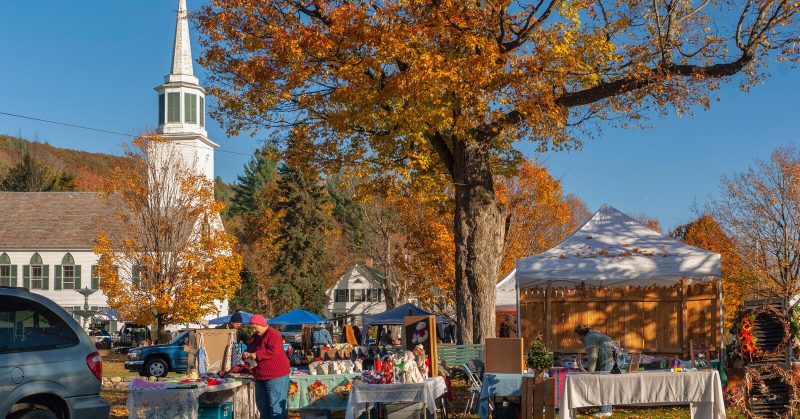
The town itself is one of the more visually distinctive communities in Windham County. The Townshend Common, the dam and reservoir, and the surrounding ridge lines give the town a settled, working-landscape feel that reflects generations of agricultural and timber use. Many landowners here are not newcomers to the idea of managing their woods - they have family histories connected to farming and logging - but they may not have had a formal, written management plan in place, and the land's condition reflects that gap. This is exactly the kind of situation where professional forestry consultation adds the most value.
Local Conditions That Drive Demand for Forestry Services
The climate in Townshend is genuinely demanding on forest stands. Winters bring heavy snow loads that cause stem breakage and blowdown, particularly in hemlock, which holds snow on its flat needles and is prone to crown damage. Ice storms, which move through the West River valley with some regularity, add to the structural stress on older trees. Spring flooding along the lower reaches of the river can affect root systems and create openings in the forest canopy that accelerate competition from invasive shrubs like Japanese barberry and glossy buckthorn - species that are already well established in parts of Windham County.
Beech bark disease is a serious concern on Townshend hillsides. The combination of the beech scale insect and Neonectria fungi has already compromised a significant portion of the American beech population across this region. Landowners who walk their woodlots and see beech trees with scaly, cankered bark and small, deformed nuts are seeing the visible symptoms of a disease that will eventually kill those trees. A well-constructed management plan addresses this directly, identifying which beech trees show signs of disease resistance and should be retained for the genetic seed bank, and which should be harvested before they lose merchantable timber value entirely.
Hemlock woolly adelgid, though still at the leading edge of its range in southern Vermont, represents a growing threat to the hemlock stands that are common on the cooler slopes above Townshend. Proactive management planning - thinning hemlock stands now to improve the vigor of individual trees and diversify the species mix - is a reasonable response that responsible forest managers are already recommending in this county.
What Townshend Landowners Typically Call About
The most common reason landowners in Townshend contact a consulting forester is to enroll in the Vermont Current Use program, formally known as Use Value Appraisal. Enrollment requires a state-approved forest management plan written by a licensed Vermont consulting forester, and the property tax savings on qualifying forested acreage can be substantial relative to the cost of the plan itself. Many Townshend properties - particularly those that have been in the same family for decades - have never had a formal plan written, even though the land has been actively used for firewood cutting and occasional timber sales.
Timber sales are the second most frequent driver of inquiries. A landowner may have received an offer from a logger or a timber buyer and wants to understand whether the price is fair, which trees should actually be cut, and how to write a contract that protects the land from high-grading - the practice of removing only the most valuable trees and leaving the stand in worse long-term condition. Consulting foresters who work in Townshend are familiar with the local timber market and can prepare a timber sale prospectus, solicit competitive bids, and provide on-site oversight during the harvest.
Boundary disputes and timber trespass are also a recurring issue on older parcels in Townshend, where property lines may not have been surveyed in many years and adjoining landowners occasionally disagree about where the line falls. While a consulting forester is not a licensed land surveyor, we work closely with surveyors and can provide forest inventory data and harvest records that are useful in resolving these disputes.
How Good Forestry Work Gets Done in Townshend
Access is one of the first practical realities a forester addresses on any Townshend property. The town's road system includes a mix of paved state routes and Class 3 and Class 4 town roads that vary widely in their condition and load limits, particularly during mud season in March and April. Scheduling timber operations around road postings is essential - a logger who ignores posted weight limits can destroy a gravel road and face liability that erodes the entire value of the timber sale. A consulting forester identifies the access constraints upfront, coordinates with the town road commissioner when necessary, and builds the harvest schedule around the seasonal window when the ground is either frozen or dry enough to support equipment without causing lasting damage to soil structure.
Vermont's Act 250 and the Use Value Appraisal program both have administrative requirements that need to be tracked carefully. Forest management plans submitted for Current Use must follow the standards set by the Vermont Department of Forests, Parks and Recreation, and they must be updated at regular intervals to keep the enrollment current. Our team is thoroughly familiar with these requirements. For a fuller picture of what we provide, see our services page.
What the Process Looks Like from Start to Finish
The process begins with an on-site consultation, where we walk the property with the landowner, discuss their goals - whether that is income from timber, wildlife habitat, a sustainable firewood supply, or simply maintaining healthy forest cover for future generations - and gather the information needed to write the management plan. We take note of existing access roads and skid trails, identify areas of sensitive soil or stream buffer that should be protected, and begin the timber inventory. A free consultation is the right first step for most Townshend landowners who are unsure where to begin.
Following the site visit, we compile the inventory data, write the forest management plan, and submit it to the state if Current Use enrollment is the goal. The written plan includes a property description, a stand-by-stand analysis, specific silvicultural prescriptions for each stand, a schedule of recommended activities over the plan period, and guidance on monitoring. We review the plan in detail with the landowner before submission so that there are no surprises and the recommendations are fully understood.
When a timber harvest is part of the plan, we prepare bid documents, contact qualified loggers, evaluate the bids, and draft a timber sale contract that addresses payment terms, slash disposal, road and stream crossing protection, and post-harvest inspection. We conduct multiple site visits during the harvest and a final walkthrough at completion. Landowners who want to understand more about how these steps fit together will find answers to common questions on our common questions page.
Mistakes to Avoid and Things to Watch For
The single most damaging mistake Townshend landowners make is selling timber without competitive bidding. A single buyer rarely offers the best price, and the absence of a written contract leaves the landowner with no recourse if the harvest causes road damage, stream sedimentation, or removal of trees that were supposed to be left. The second common mistake is allowing a harvest to proceed during mud season, when skidding equipment can compact and rut soils in ways that take years to recover and can permanently alter water movement on a slope.
Over-harvesting mature sugar maple is a particularly sensitive issue in Townshend, where sugarbush is part of the cultural and economic landscape. A consulting forester can help landowners balance the income potential of mature maple timber against the long-term value of a productive sugarbush, a calculation that requires knowing the age structure, crown condition, and regeneration adequacy of the stand - information that comes only from a proper inventory.
Why Townshend Landowners Choose a Professional
Working with a consulting forester rather than relying on a timber buyer's assessment is a straightforward matter of whose interests are being represented. A timber buyer represents the buyer. A consulting forester represents the landowner. In a town like Townshend, where many properties have been owned by the same families for generations and carry real emotional weight alongside their timber value, that distinction matters enormously. A professional management plan also creates a documented record of the property's forest history, which is valuable at the time of a sale or transfer to heirs. See the areas we serve page to confirm coverage and learn about neighboring towns we work in across Windham County.
Nearby Areas and the Broader West River Landscape
Townshend's woodland character connects directly to the forested landscapes of the surrounding towns - Newfane to the south along the West River, Jamaica to the north, and the more rural, upland character of Grafton and Athens to the east. Landowners in these communities often share similar forest types and similar management questions, and our practice covers all of them. If you own land that straddles a town boundary or are considering acquiring additional acreage in the region, a single consulting forester with regional familiarity is a practical advantage. The broader context of forest management options across Windham County is outlined on our services page for anyone who wants to compare approaches before reaching out.
FAQ
Questions about Townshend
- Do I need a consulting forester to enroll my Townshend woodlot in Vermont's Current Use program?
- Yes. Vermont's Use Value Appraisal program requires a state-approved forest management plan written by a licensed consulting forester before forested land can be enrolled. On a Townshend hillside parcel with mixed hardwoods, the plan must include a full timber inventory, stand descriptions, and a silvicultural prescription schedule. We prepare and submit these plans and coordinate with the Vermont Department of Forests, Parks and Recreation on your behalf.
- My Townshend property has a lot of beech trees with scaly, diseased bark. What should I do?
- Beech bark disease is widespread on Townshend's upland slopes. A consulting forester will walk your stand, assess which trees show disease symptoms and which may carry genetic resistance, and write a prescription that captures merchantable timber value from compromised trees before it is lost while protecting resistant individuals as seed sources. Ignoring diseased beech until the trees die converts a timber asset into a costly cleanup problem.
- A timber buyer offered to purchase trees on my Townshend land. How do I know if the offer is fair?
- Without a professional timber cruise and competitive bidding, you have no reliable benchmark. A consulting forester inventories your stand, estimates volume and value by species, prepares a bid package, and contacts multiple qualified loggers. In most cases, competitive bidding produces meaningfully better returns than a single unsolicited offer. We also write the harvest contract, which protects your roads, streams, and residual stand - something a timber buyer's handshake deal will not do.
- When is the best time of year to conduct a timber harvest on my Townshend property?
- On Townshend's hillside parcels, frozen-ground conditions in January and February are ideal because equipment can move without compacting or rutting wet soils. Late summer and early fall can also work on well-drained slopes. Mud season, roughly March through mid-April, should be avoided entirely. Town road weight postings during that period can also make log truck access illegal, so we build harvest schedules around these constraints from the start.
- I own land along the West River floodplain in Townshend. Is that land eligible for Current Use?
- Floodplain parcels can qualify for Current Use if they meet the minimum forested acreage requirement and a qualifying management plan is in place, but the silvicultural prescriptions for bottomland stands - silver maple, cottonwood, white ash - differ significantly from upland hardwood management. We assess floodplain soils, flood frequency, and existing species composition to write a plan that is both ecologically sound and meets state enrollment standards.
- How often does my Townshend Current Use management plan need to be updated?
- Vermont requires that Current Use forest management plans be updated on a schedule specified in the plan itself, typically every ten years, though activity reports may be required more frequently. If a timber harvest occurs, documentation of that activity must be maintained. Failure to keep the plan current can result in removal from the program and back-taxes with penalties. We track renewal schedules for our clients and reach out before deadlines to keep enrollment uninterrupted.
Talk to a forester
Tell us about the land
Town, rough acreage, and whether the parcel is already enrolled. If you are working to a filing deadline, say which one and we will tell you honestly whether it is achievable.