Our consulting forestry practice serves landowners across Grafton, Vermont, covering forest management plan writing, timber stand improvement, wildlife habitat work, and enrollment in Vermont's Use Value Appraisal (Current Use) program. Whether you own a woodlot behind your farmstead or several hundred acres of mixed hardwood ridge, we write the management plans that meet state requirements and actually serve your land.
Grafton's Character and What It Means for Your Forest
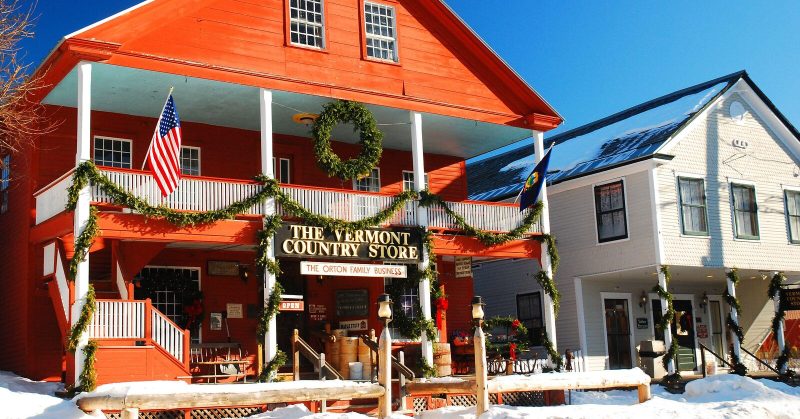
Grafton sits in the hill country of Windham County, where the terrain is defined by long, moderately steep ridgelines, stream valleys carved by the Saxtons River and its tributaries, and a landscape that has been cycling between farmland and forest for well over two centuries. The village center is one of the most architecturally intact nineteenth-century communities in Vermont, and the working farms and woodlots surrounding it reflect that same long history of careful stewardship. This is not suburban land being carved into lots - it is genuine rural Vermont, where many properties have been in families for generations and the forests are deeply woven into the identity of the place.
That history shapes the forestry work here in practical ways. Grafton's forests are predominantly second and third growth, with stands of sugar maple, yellow birch, beech, and white ash on the better soils, transitioning to red spruce, balsam fir, and paper birch on the higher, colder ridges. Many woodlots carry the legacy of early twentieth-century grazing, meaning the understory structure and species composition reflect decades of complex successional change. Reading that history correctly is the first step toward writing a management plan that works.
Local Conditions That Drive the Need for Forest Management
Grafton's elevation, which ranges considerably from the valley floor to the hilltops above it, creates microclimates that matter to any forest manager. Ice storms are a recurring reality, and the combination of heavy ice loading and the area's substantial beech population means beech bark disease is an ongoing concern that shows up in virtually every stand assessment we conduct here. The beech issue alone - the interaction between the scale insect, the fungal canker, and the remaining resistant trees - requires specific silvicultural attention that generic management plans simply do not address.
Invasive species pressure is also growing in Grafton's forests, particularly along old farm edges and stone-wall lines where glossy buckthorn and barberry have established. Climate-driven changes are shifting the competitive balance in ways that favor some species over others, and a well-written management plan accounts for those trends rather than ignoring them. Landowners who enrolled in Current Use a decade ago and have not updated their plans are likely working from documents that predate the most significant beech bark disease impacts and the current invasive pressure - both of which now require documented management responses.
What Grafton Landowners Typically Call About
The most common reason a Grafton landowner reaches out to us is the Current Use program. Vermont's Use Value Appraisal program reduces property taxes on enrolled forestland by assessing it at its use value rather than its development value, and enrollment requires a forest management plan written by a licensed consulting forester. Given Grafton's property values - driven in part by the town's aesthetic reputation and the demand for historic Vermont properties - the tax benefit of enrollment can be substantial, and many landowners find that a professionally written management plan pays for itself in the first year or two of reduced taxes. You can learn more about our services and exactly what a qualifying management plan includes.
Timber harvesting is the second major driver of calls. Grafton's maple-dominated stands are well suited to selection harvesting, and many properties have not been actively managed for timber in twenty or thirty years. Sugar maple logs from well-managed Grafton woodlots can be high-value material, and landowners who want to harvest responsibly need a forester to mark timber, write harvest specifications, and oversee contractor work. Doing this without professional oversight risks high-grading - removing the best trees and leaving the worst - which degrades the stand for generations.
We also hear frequently from landowners who have noticed sudden changes in their woods: a surge of dying beech, wind damage from a late-season storm, or a section of forest that seems to be dying back without obvious cause. Diagnosis often requires walking the land with someone who knows what to look for, and that kind of on-the-ground assessment is a core part of what a consulting forester does. If you have questions before committing to a site visit, our common questions page covers many of the things Grafton landowners ask first.
How the Work Is Done Well in Grafton
Access is a genuine consideration in Grafton. Many properties are reached by town roads that are subject to spring weight restrictions, which affects the timing of any ground-disturbing work. Logging operations in particular need to be scheduled around mud season, and a management plan written for Grafton land should include harvest timing recommendations that reflect the local road and soil conditions. Steep terrain on the upper ridges also means that skidder access routes need to be planned carefully to avoid erosion on slopes that drain toward the Saxtons River corridor.
The Vermont Agency of Natural Resources administers the Current Use program, and plans must conform to the state's required management plan format and be signed by a licensed Vermont consulting forester. We handle that paperwork entirely, from the initial property mapping and stand inventory through plan submission and enrollment confirmation. Landowners who are renewing an existing enrollment need an updated plan that reflects current stand conditions - a document written ten years ago may no longer accurately describe the forest, and the state expects plans to be current. We encourage landowners thinking about this process to start with a free consultation so we can assess where your land stands.
The Process from Start to Finish
A typical engagement for a Grafton property begins with a site visit. We walk the land together, talk about your goals - whether that is tax reduction, timber income, wildlife habitat, recreational value, or some combination - and do an initial assessment of the stand types present. We then conduct a formal timber inventory, mapping stand boundaries, measuring basal area, and recording species composition and size class distribution. That data becomes the foundation of the written plan.
The written management plan describes the current condition of each stand, recommends specific management activities over the plan period (typically ten years), and sets out the silvicultural rationale for each recommendation. For Current Use enrollment, the plan must also include a stocking chart and conform to state formatting requirements. Once the plan is complete and signed, we submit it to the state with the enrollment application. After that, the landowner's responsibility is to carry out the management activities described in the plan on the recommended schedule - and to call us if conditions change significantly, such as after a major wind or ice event.
Common Mistakes and How to Avoid Them
The most damaging mistake we see in Grafton is landowners hiring a logger without first hiring a forester. A reputable logger does a specific job - harvesting trees efficiently - but that is not the same as knowing which trees to take, in what volumes, and under what conditions. Without a forester marking timber and writing harvest specifications, the landowner has no independent advocate and no documented plan. The result is often a harvest that looks fine on the surface but has compromised the long-term productivity and ecological integrity of the stand.
A second common mistake is letting a Current Use plan lapse or go stale. The state requires that management activities be carried out on schedule, and a plan that calls for a timber stand improvement project in year three but has nothing to show for it by year eight is a plan that puts enrollment at risk. We work with Grafton landowners to keep their plans current and their activities on track - something that matters especially for properties that have changed hands and where the new owner inherited an enrollment they did not set up themselves. Our areas we serve page shows the full range of communities where we actively work, which includes the surrounding Grafton area.
Why Grafton Landowners Work with a Professional Forester
Vermont's licensing requirements exist for good reason. A consulting forester who works regularly in Windham County understands the specific species assemblages, the particular pressures from beech bark disease and invasive plants, the local logging contractor community, and the practical realities of moving equipment on Grafton roads in different seasons. That local knowledge is not something a generic online plan service or an out-of-state consultant can replicate.
Beyond the technical qualifications, there is value in having a professional who can advocate for your interests when a timber buyer or a logging contractor is involved. A signed harvest contract, a bond requirement, and post-harvest inspection are all standard parts of how we manage timber sales for Grafton landowners - not extras, but baseline professional practice. Landowners who have never been through a timber harvest often underestimate how much can go wrong without that structure in place, and landowners who have been through an unmanaged harvest rarely make that mistake twice.
Grafton's Surrounding Communities
Grafton's woodlands connect directly to the forested landscapes of its neighboring towns, including Rockingham to the east, Athens to the north, Townshend to the south, and Chester to the west. Landowners in these communities face similar forest conditions and the same Current Use eligibility questions, and we serve them all as part of our Windham County practice. If your property straddles a town line - not uncommon in this part of Vermont, where old farm parcels were laid out with little regard for municipal boundaries - we handle the plan coordination that those situations require.
FAQ
Questions about Grafton
- Does my Grafton woodlot qualify for Vermont's Current Use program?
- Most Grafton forestland of 25 contiguous acres or more qualifies, provided it is stocked with trees and managed under an approved forest management plan written by a licensed consulting forester. Given Grafton's property values and the area's well-stocked maple and birch stands, enrollment almost always produces a meaningful property tax reduction. We assess eligibility during an initial site visit and can tell you quickly whether your parcel is a strong candidate.
- My Grafton property has a lot of dying beech - does that affect my management plan?
- Yes, and it needs to be addressed directly in any current management plan. Beech bark disease is widespread in Grafton's forests, and a credible plan must document the extent of the disease, identify any potentially resistant beech trees worth protecting, and prescribe specific silvicultural responses. A plan that simply ignores the beech situation is likely to be outdated on arrival and may not reflect the actual stocking and species composition of your stands.
- How long does it take to get a forest management plan written for a Grafton property?
- For a typical Grafton woodlot in the 50 to 150 acre range, the process from initial site visit to a completed, signed management plan usually takes four to eight weeks, depending on the complexity of the stand types and the time of year. Properties with multiple distinct stand types, significant beech mortality, or recent harvest activity may take a bit longer to inventory accurately. We aim to give you a realistic timeline after the first site visit.
- I inherited a Grafton property that is already enrolled in Current Use. What do I need to do?
- You need to notify the Vermont Department of Taxes of the ownership change and confirm that the existing management plan is still current and in good standing. If the plan is more than a few years old, we strongly recommend a new site visit to assess whether the described stand conditions still match reality, especially given how quickly beech bark disease can change a woodlot. An inherited enrollment is worth protecting, and a quick review helps ensure nothing lapses on your watch.
- Can I do a timber harvest on my Grafton land while it is enrolled in Current Use?
- Yes, and in fact a well-timed timber harvest is often part of the management plan itself. The key is that the harvest must be consistent with the activities described in your approved management plan. We mark the timber, write the harvest specifications, and monitor the job to make sure the work matches the plan. Harvests that deviate significantly from the plan can trigger a penalty and jeopardize your enrollment, which is exactly why professional oversight matters.
- What happens to my Current Use enrollment if a big ice storm damages my Grafton woodlot?
- Vermont makes allowances for significant storm damage, but you are expected to notify the state and update your management plan to reflect the new conditions. A storm that kills or damages a substantial portion of your stocking can change the silvicultural prescription significantly. We conduct post-storm assessments for Grafton landowners, document the damage, and write plan amendments that keep your enrollment intact while setting a realistic path forward for the affected stands.
Talk to a forester
Tell us about the land
Town, rough acreage, and whether the parcel is already enrolled. If you are working to a filing deadline, say which one and we will tell you honestly whether it is achievable.