
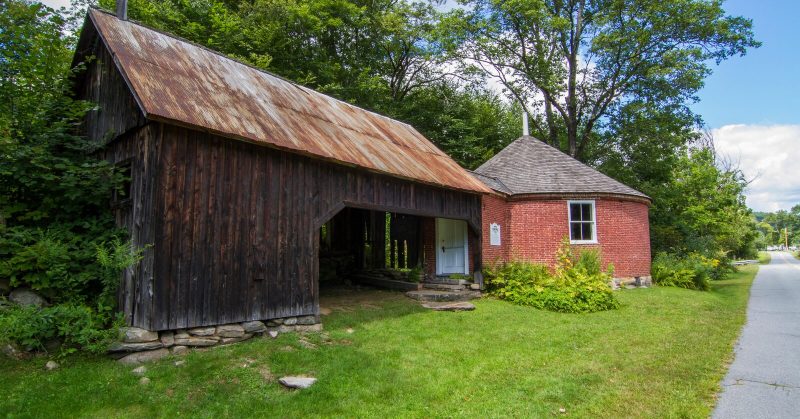
Our consulting forestry practice serves Brookline, Vermont, covering forest management plan preparation, Current Use (Use Value Appraisal) enrollment and renewals, timber stand improvement, harvest planning, and woodland stewardship guidance. We work directly with Brookline landowners on their terms, providing written management plans that meet the Vermont Department of Forests, Parks and Recreation standards and genuinely reflect each property's timber, wildlife, and watershed values.
Brookline's Character and What It Means for Forest Work
Brookline is one of the quietest, least-populated towns in Windham County - a fact that shapes forest management work there in very concrete ways. The town sits in the hills east of the West River valley, and the great majority of its land area is forested. The year-round population is small, most properties are large, and many parcels have been in the same family for generations. That generational ownership history means a lot: you find forests that were heavily cut decades ago and have since grown back into uneven stands of mixed hardwoods and softwoods, alongside some older-growth pockets on the steeper ground that were simply too difficult to log in earlier eras. Understanding that layered history is the starting point for any honest forest management plan here.
The working landscape tradition in Brookline is real and ongoing. This is not a town of weekend retreats alone. Many landowners raise livestock, maintain sugarbushes, or cut their own firewood, and the woods are woven into daily life in a way that is less common in more developed parts of Vermont. That means a consulting forester here is often working with people who already know their land well and want a management plan that reflects actual, practical goals - not a document produced for compliance alone. We welcome that engagement and build plans around it.
Local Conditions That Drive Demand
Brookline's terrain is hilly to steep in places, with a mix of well-drained upland soils and wetter drainages running down toward the West River corridor. Sugar maple dominates the upper slopes - making the town's forests genuinely valuable for both timber and maple production - while beech, yellow birch, ash, and red maple fill in the mid-slopes. Softwood pockets of eastern hemlock and red spruce appear in the cold hollows and on north-facing aspects. This diversity is an asset, but it also means each stand requires individual assessment rather than a one-size prescription.
Vermont's climate is the defining pressure on Brookline forests right now. Ice storms are a recurring fact of life in the hills above the valley floor, and the combination of ice damage and beech bark disease has altered stand composition across many properties. Emerald ash borer is now established in Windham County, and the town's ash-bearing stands face real decisions in the near term - either a planned harvest to capture value before mortality or a decision to retain ash for wildlife, depending on each landowner's goals. These are exactly the kinds of locally specific conditions a well-prepared management plan must address. See our full list of services to understand how we approach stand-level assessments in situations like these.
What Brookline Landowners Typically Call About
The most common reason Brookline landowners contact us is Current Use enrollment. Vermont's Use Value Appraisal program - Current Use - can substantially reduce property tax liability on qualifying forest land, but it requires a certified forest management plan prepared by a licensed forester, and that plan must be renewed every ten years. For landowners holding large forested parcels in a small town with a limited grand list, the tax difference is meaningful. We write these plans to satisfy state requirements completely while also being useful documents that actually guide what happens in the woods.
Beyond Current Use, timber harvest planning draws steady inquiry. Brookline landowners who are ready to conduct a timber sale - whether for income, for forest improvement, or to fund other farm or property projects - need a forester to conduct a timber cruise, prepare a prospectus, solicit competitive bids from licensed timber buyers, and oversee the harvest. Hiring a consulting forester for this process consistently produces better financial outcomes and better ecological results than negotiating directly with a logger without professional guidance. We handle the full process from cruise to post-harvest inspection.
Sugarbush management is another area where Brookline's forested character and its landowners' practical traditions intersect directly with our work. Managing a productive sugarbush means more than tapping trees - it means understanding stand density, basal area, the balance between maple and competing species, and long-term regeneration. A consulting forester can evaluate whether a sugarbush is over-stocked, under-stocked, or in need of improvement cuts, and can incorporate those recommendations into an overall management plan. We have experience working alongside maple producers in this part of Windham County on exactly these questions. If you have specific questions about how this works in practice, our common questions page is a good starting point.
How the Work Is Done Well in Brookline
Access is a genuine logistical consideration in Brookline. Many parcels have seasonal roads or long private driveways, and some upland forest stands are accessible only on foot or with ATV equipment during the shoulder seasons. A forester who does not understand this will produce a management plan that looks fine on paper but cannot be executed without damage to roads and soil. We time our fieldwork to conditions, use GPS mapping to document stand boundaries and site features accurately, and flag any access constraints explicitly in the management plan so that prospective timber buyers and future foresters understand what they are working with.
Logging and timber harvesting in hilly terrain also requires careful attention to Best Management Practices for water quality. Brookline's drainages feed into the West River watershed, and erosion from poorly planned skid trails or improperly located landings can create lasting problems. A properly prepared harvest plan incorporates BMP-compliant skid trail layouts, stream crossing specifications where necessary, and post-harvest water bar and seeding requirements. Vermont's Act 250 and forestry notification requirements apply depending on harvest size and slope, and we handle all required notifications as part of our service.
What the Process Looks Like Start to Finish
The process begins with a conversation - either in person or by phone - about what a landowner owns, what they want from their land, and what brought them to this point. From there, we schedule a property walk to assess the forest firsthand. For Current Use plans, we conduct a thorough inventory: mapping stands, measuring stocking and basal area, identifying species composition, noting regeneration, and cataloguing any special features like significant wetlands, old stone walls, or rare habitat. This fieldwork typically takes a full day for a property of a few hundred acres, and we ask that landowners join us if they are able - the walk itself is often where the most useful planning conversations happen.
After fieldwork, we prepare a written management plan that meets Vermont Department of Forests, Parks and Recreation certification requirements. The plan documents stand conditions, states clear management goals, and provides a ten-year schedule of activities. We review the draft with the landowner before finalizing and submitting. For Current Use enrollment, we coordinate directly with the Vermont Department of Taxes and the town to make sure the enrollment is complete. The full process from initial consultation to enrolled plan typically takes four to eight weeks depending on property size and the time of year. You can start the conversation today through our free consultation page.
Common Mistakes and What to Watch For
The most costly mistake Brookline landowners make is signing a timber deed with a buyer before consulting a forester. Timber buyers are professionals who assess value every day; most landowners do not. An unrepresented seller rarely captures the full stumpage value of a timber sale, and even more rarely has the harvest conducted in a way that leaves the residual stand in good shape. A consulting forester works for the landowner, not the buyer, and that independence is the foundation of the service.
A second common problem is allowing a Current Use plan to lapse. If the ten-year plan renewal deadline passes without an updated plan on file, the property can be removed from the program and become subject to a land use change tax. With property values in Vermont having increased substantially in recent years, the land use change tax exposure on a large Brookline parcel can be significant. We track renewal dates for enrolled clients and reach out in advance to avoid this outcome. If you are unsure of your plan's status, check our areas we serve page to confirm we cover your area, then reach out directly.
Why Brookline Landowners Choose Professional Forestry Guidance
Brookline's combination of steep terrain, diverse forest types, active agricultural traditions, and modest year-round population means that professional forestry advice is not a luxury item here - it is the practical tool that allows landowners to manage their land effectively, keep it in the family, and meet their tax and stewardship goals. The Vermont landscape is full of forests that were managed carelessly in one generation and cost the next generation years of recovery time. A good forest management plan prevents that outcome by thinking a decade or more ahead, in specific terms, about what each stand needs.
There is also a community dimension to this work in a small town like Brookline. Well-managed forests hold soil on the steep hillsides, maintain stream quality in the West River drainages, support wildlife, and preserve the open working-land character that defines the town's identity. Individual landowner decisions accumulate into a collective landscape, and professional forestry guidance helps those decisions lean in the right direction. We take that responsibility seriously and bring it to every management plan we write in this town.
Nearby Areas and Connections
Brookline sits between Newfane, Townshend, and Athens in Windham County, and many landowners in this area hold parcels that cross town lines or consult us for adjacent properties in those towns as well. Our familiarity with the broader West River corridor and the upland terrain extending east toward Jamaica and Windham means we can address management questions that span more than one municipality without missing a beat. The areas we serve page provides a full picture of our coverage across Windham County and beyond.
FAQ
Questions about Brookline
- Does my Brookline property qualify for Vermont's Current Use program?
- Most forested parcels in Brookline of 25 acres or more qualify for Current Use enrollment, provided a certified forest management plan is on file with the state. Given that Brookline is a heavily forested town with large-parcel ownership and a relatively modest grand list, the annual property tax savings for enrolled landowners here can be very meaningful. We assess eligibility during our initial site visit and handle the enrollment paperwork from start to finish.
- My Brookline woodlot has a lot of ash trees - what should I be doing with them now that EAB is in Windham County?
- Emerald ash borer has reached Windham County, and ash mortality in the coming years is realistically certain across most of the affected range. For Brookline landowners, the decision is whether to harvest ash now while the wood holds commercial value, retain it for wildlife cavity habitat as it declines, or some combination. The right answer depends on your stand's stocking, your timber sale goals, and your overall management priorities - all factors we work through in your management plan.
- How long does it take to get a Current Use forest management plan written for a Brookline property?
- For a typical Brookline forested parcel - say, 100 to 300 acres of mixed upland forest - the process from initial site walk to a finalized, enrolled plan generally runs four to eight weeks. Larger parcels or those with complex terrain, multiple stand types, or active timber operations can take longer. We schedule fieldwork to avoid mud season when access to Brookline's hillside lots is most difficult, which can affect spring timelines.
- A timber buyer has already approached me about purchasing timber on my Brookline land. Should I still hire a consulting forester?
- Yes - and the earlier the better. A timber buyer's offer reflects their assessment of the wood's value; a consulting forester's cruise gives you an independent measurement so you know whether the offer is fair. In addition, a properly structured timber sale in Brookline's steep terrain includes contract provisions protecting your roads, streams, and residual trees that a buyer-drafted agreement will not prioritize. We frequently step in at this stage and consistently improve outcomes for landowners.
- Can a consulting forester help me improve my Brookline sugarbush, and can that work be included in my Current Use plan?
- Absolutely. Sugarbush management - controlling competing species, managing stand density, planning for long-term maple regeneration - is legitimate forest management work and can be documented and scheduled within a Vermont Current Use forest management plan. For Brookline landowners who are actively tapping maples or hoping to expand production, integrating sugarbush goals into the broader management plan ensures that timber, maple, and wildlife objectives don't work against each other.
- My Brookline family property has not had a forester on it in over 20 years. Where do we even start?
- Start with a property walk. Brookline forests that have gone unmanaged for two decades often have real value - mature timber, recovering stands, possibly old-growth pockets on steep ground - but also real challenges like beech bark disease pressure, over-stocked stands, or ice storm damage. A fresh inventory tells us exactly what is there and in what condition. From that baseline we build a practical, prioritized ten-year management plan that matches your family's actual goals for the land.
Talk to a forester
Tell us about the land
Town, rough acreage, and whether the parcel is already enrolled. If you are working to a filing deadline, say which one and we will tell you honestly whether it is achievable.